
Ghana has renewed its pledge to uphold the dignity and rights of its migrant workers as the Integrated Programme on Fair Recruitment (FAIR) Phase Three officially came to a close in Accra on February 18, 2026.
Speaking at a close-out workshop organised by the International Labour Organization in partnership with the Ministry of Labour, Jobs and Employment, Labour Minister Dr. Abdul-Rashid Hassan Pelpuo stressed that fair recruitment is fundamental to safeguarding Ghanaian workers abroad. “Labour migration remains an important livelihood option for many Ghanaians and a significant contributor to national development. However, without effective safeguards, migrant workers may face vulnerabilities, including unfair recruitment practices and exploitation,” he said.
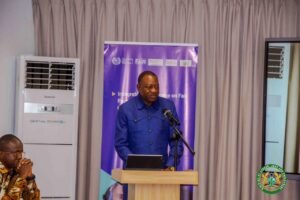
The Minister defended Ghana’s existing restrictions on the recruitment of domestic workers to certain Gulf States, citing concerns over abuse and exploitation. He acknowledged the growing appetite for overseas employment opportunities but urged that recruitment processes remain transparent, lawful and aligned with established procedures, even as agencies face pressure to bypass due process.
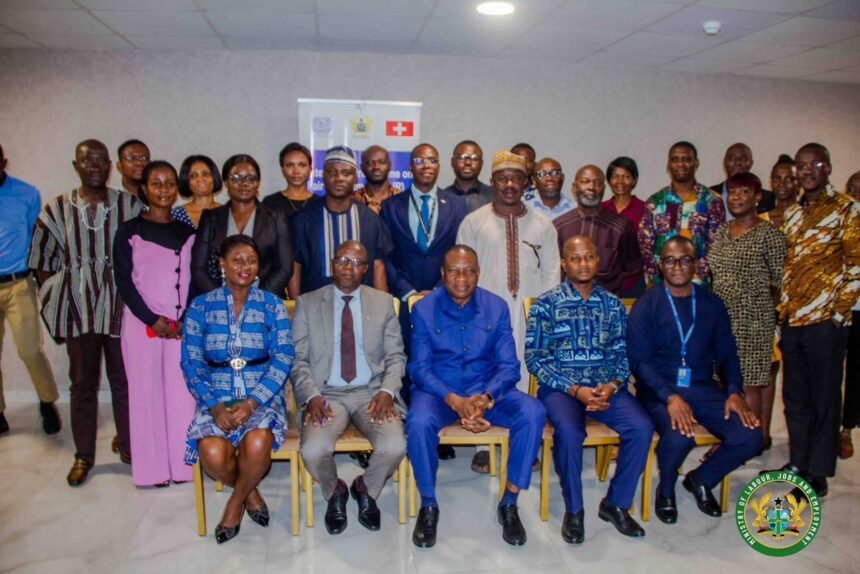
The close-out workshop brought together representatives from government, employers, labour unions, development partners and civil society to reflect on the programme’s achievements and map out a sustainable path forward for labour migration governance in the country. Since September 2023, the FAIR programme — supported by Deutsche Gesellschaft für Internationale Zusammenarbeit and the Swiss Agency for Development and Cooperation — has worked to strengthen Ghana’s labour migration governance systems and regulatory frameworks.
Switzerland’s representative, Mr. Carl Kofi Alai, highlighted his country’s longstanding commitment to fair recruitment since the global launch of the initiative in 2015, describing it as both a moral obligation and an economic necessity. He noted that while well-governed migration can drive development, informal and abusive recruitment systems leave vulnerable workers exposed to exploitation.
The private sector and organised labour both signalled their intention to sustain the progress made under the programme. Elizabeth Mojazo of the Ghana Employers’ Association framed the close-out not as an ending but as “an opportunity for reflection, accountability and commitment to sustainability,” arguing that fair recruitment strengthens productivity and national competitiveness. Dr. Kennedy Achakoma, speaking for organised labour, echoed this sentiment and called for better planning, stronger institutional oversight, improved pre-departure orientation and greater access to information for migrant workers.
Kenza, the Global Programme Manager for FAIR Phase Three, commended Ghana’s leadership — particularly its adoption of the National Fair Recruitment Roadmap, which she said is drawing international interest. She made clear that while this phase of the project is closing, the broader mission of protecting migrant workers must press on through sustained collaboration among government, employers and workers.
Across the deliberations, stakeholders consistently pointed to coordination, monitoring and public awareness as the pillars needed to ensure that migration from Ghana remains safe, orderly and regular.